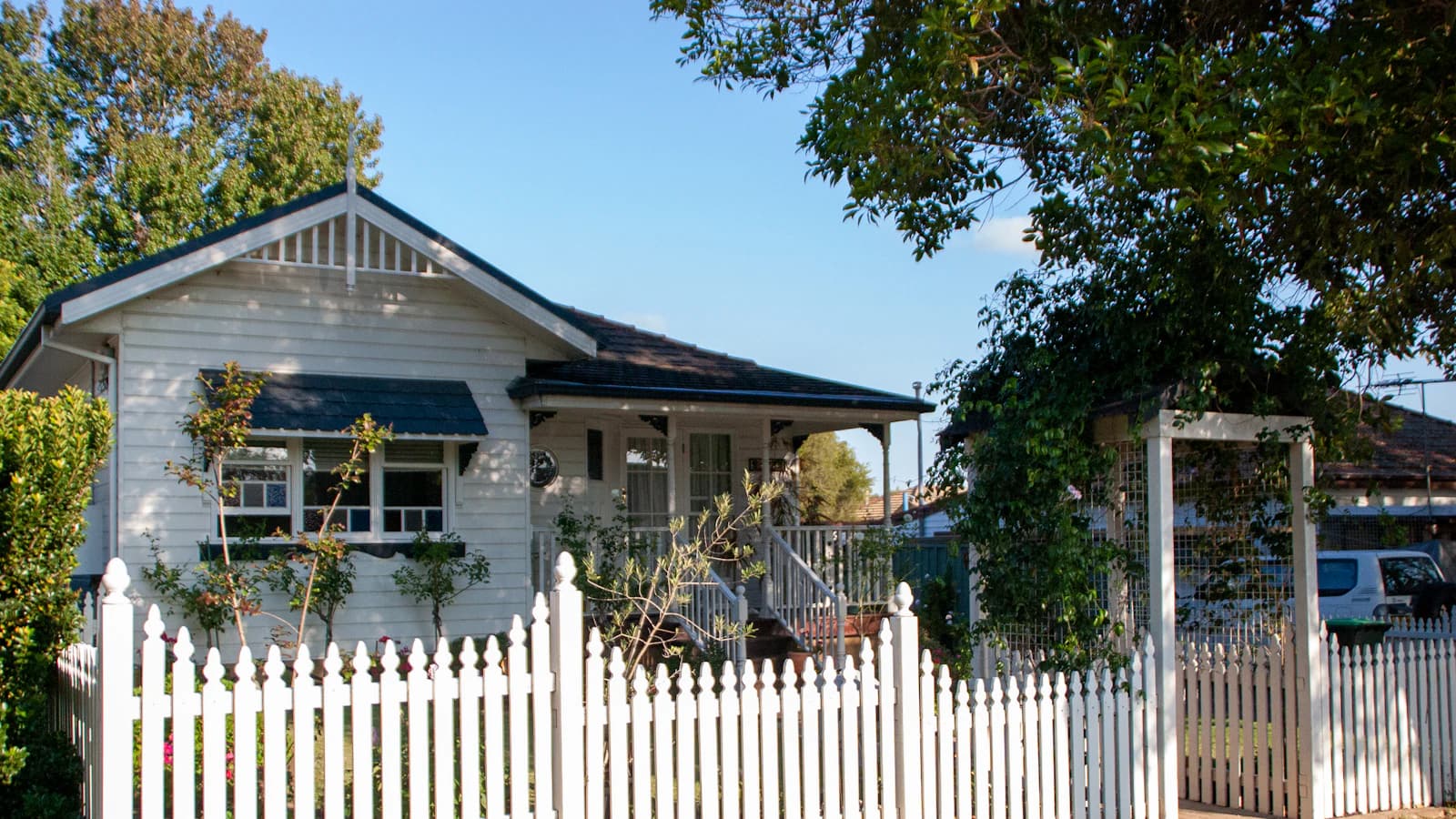
Find out which heritage controls apply before you design anything. Most heritage work needs a development application backed by a heritage impact statement, the materials have to suit the old fabric, and the budget needs room for specialist trades.
Get those right and a heritage home can take a big, modern extension. Get them wrong and you lose months with council, and some mistakes can't be undone. This applies whether you build with us or anyone else.
How do I know if my home is heritage listed?
Heritage protection in NSW comes in layers, and the layer decides the approval path:
- State Heritage Register. Items of state significance under the Heritage Act 1977. Most work needs approval from the Heritage Council of NSW as well as council.
- Local heritage item. Listed in the heritage schedule of your council's Local Environmental Plan (LEP). Council assesses the work, usually with its heritage advisor.
- Heritage conservation area. The whole street or precinct is protected. Your house may not be listed on its own, but external changes are still controlled.
Check the property on the NSW Planning Portal's spatial viewer or in your council's LEP before you brief a designer.
Do I need a DA to renovate a heritage home?
Almost always. A complying development certificate can't be used on a heritage item and is limited in conservation areas.
For genuinely minor work or maintenance on a heritage item, the heritage clause in the LEP lets council confirm in writing that consent isn't needed. Ask council first rather than assuming. If the scope changes mid-build, the consent may need a modification (a s 4.55 application).
What documents will council want?
- Statement of heritage impact. Prepared by a heritage consultant. It assesses how the work affects the significance of the place and usually goes in with the DA.
- Conservation management plan. For more significant places. It records what matters about the building and how to look after it.
- Approved drawings and conditions of consent. Heritage conditions often specify materials, methods and what must be kept.
These documents drive cost. A builder should read them before quoting and be able to point to the items that change the price.
Can I extend a heritage home?
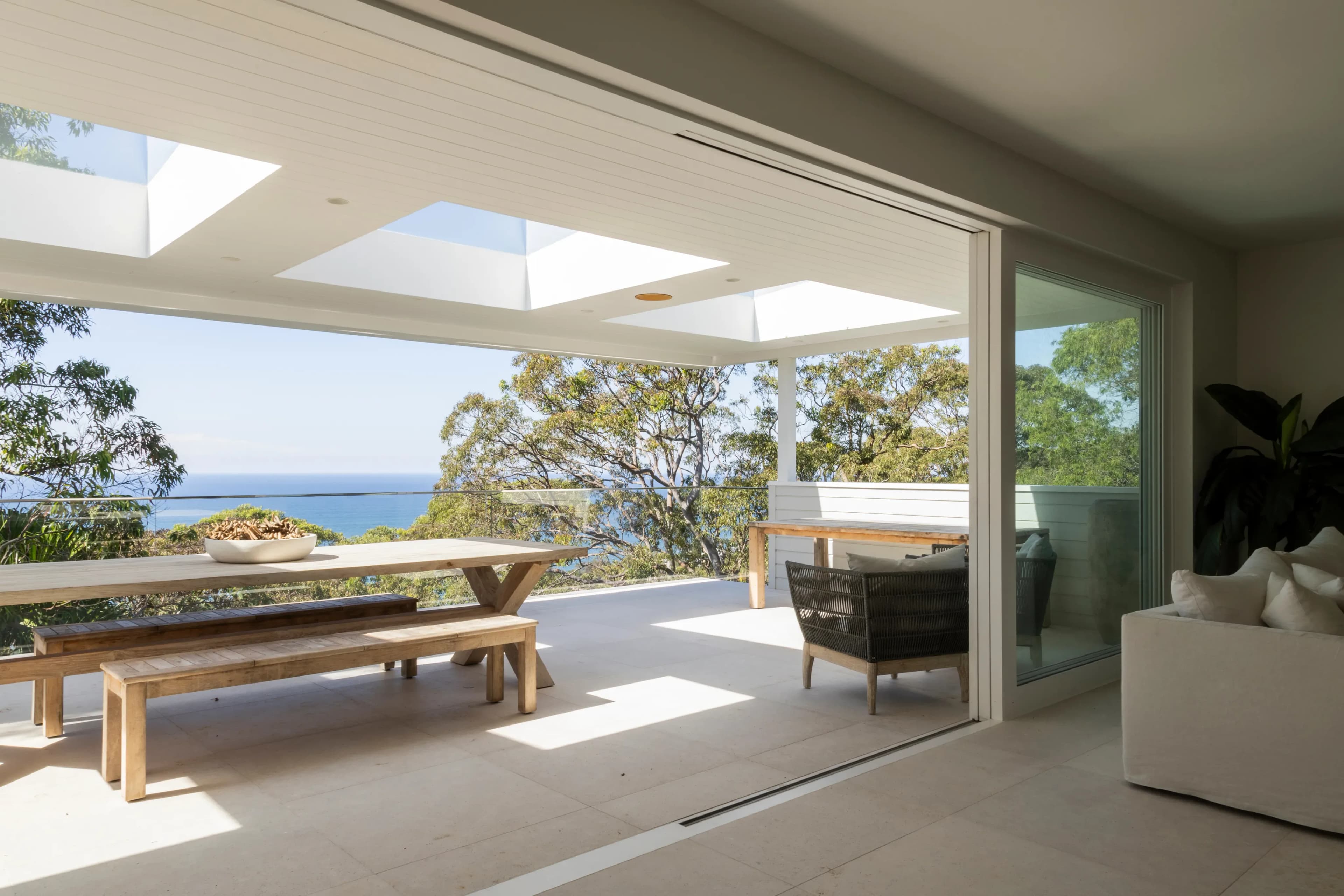
Usually, yes. Most owners want to keep the street front, the high ceilings and the front rooms, and add a modern kitchen and living wing at the back.
The additions that get approved tend to sit quietly behind the original house: single-storey rear additions set in from the side walls, two-storey additions that step below the original ridge, attic rooms inside the existing roof, or space dug out under the existing footprint. New work is generally expected to read as new and be reversible. Anything that competes with the original in height, bulk or street visibility rarely gets through. If you're thinking of going down, read building a basement under an existing house.
Why do materials and methods matter so much?
Old fabric needs matching techniques:
- Lime mortar, not cement, on old brick and stone. Cement traps moisture and damages the masonry around it.
- Timber sash windows repaired and rebalanced, not swapped for look-alikes.
- Slate and terracotta roofs relaid with compatible material.
- Original joinery restored by people who understand the profiles.
Photograph existing fabric room by room before anything is removed. Council or the heritage consultant may ask later what was there. Many older Sydney homes also contain asbestos and lead paint, which need licensed assessment and removal before the fabric is disturbed.
How do I budget and pick a builder for heritage work?
Specialist trades and long-lead materials are where heritage budgets move. Ask how each is allowed for in the contract, and whether any are provisional sums. Fixed price or cost plus explains why that matters.
Do the standard checks in how to choose a builder in Sydney. Then ask the heritage-specific questions:
- Which heritage jobs have you finished, and can I speak to the owners?
- Have you worked with my council's heritage advisor?
- Which heritage trades do you employ, and which do you subcontract?
- Who decides on site when something unexpected turns up behind a wall?
- What will you keep, repair and replace, and is that written into the scope?
The short version
- Check the listing first: state, local item or conservation area.
- Expect a DA with a statement of heritage impact.
- Extensions that sit behind and below the original get approved. Ones that compete with it don't.
- Lime mortar, repaired sashes, compatible roofing. Record before you remove.
- Watch provisional sums on specialist trades and materials.
- Pick a builder who has read your heritage documents before quoting.
Working on a heritage home in Sydney? Send us your documents and we'll give you a straight read on what they mean for the build.