A heritage home rewards a builder who treats the conservation requirements as part of the scope, not as paperwork to get past. The wrong mortar, a replaced window or an unrecorded demolition can cost months with council, and some of it can't be undone.
This guide is about telling those builders apart. It applies whether you build with us or with someone else.
First, find out which heritage controls apply
Heritage protection in NSW comes in layers, and the layer decides the approval path:
- State Heritage Register. Items of state significance, protected under the Heritage Act 1977. Most work needs approval from the Heritage Council of NSW as well as council.
- Local heritage items. Listed in the heritage schedule of your council's Local Environmental Plan (LEP). Work is assessed by council, usually with input from its heritage advisor.
- Heritage conservation areas. Whole streets or precincts where the streetscape is protected. Your house may not be individually listed, but external changes are still controlled.
You can check a property's listings on the NSW Planning Portal's spatial viewer or in your council's LEP. Do it before you brief a designer, let alone a builder.
The documents that drive a heritage job
- Statement of heritage impact. Prepared by a heritage consultant, it assesses how the proposed work affects the significance of the place, and it usually accompanies the DA.
- Conservation management plan. For more significant places, a CMP records what matters about the building and sets policies for looking after it.
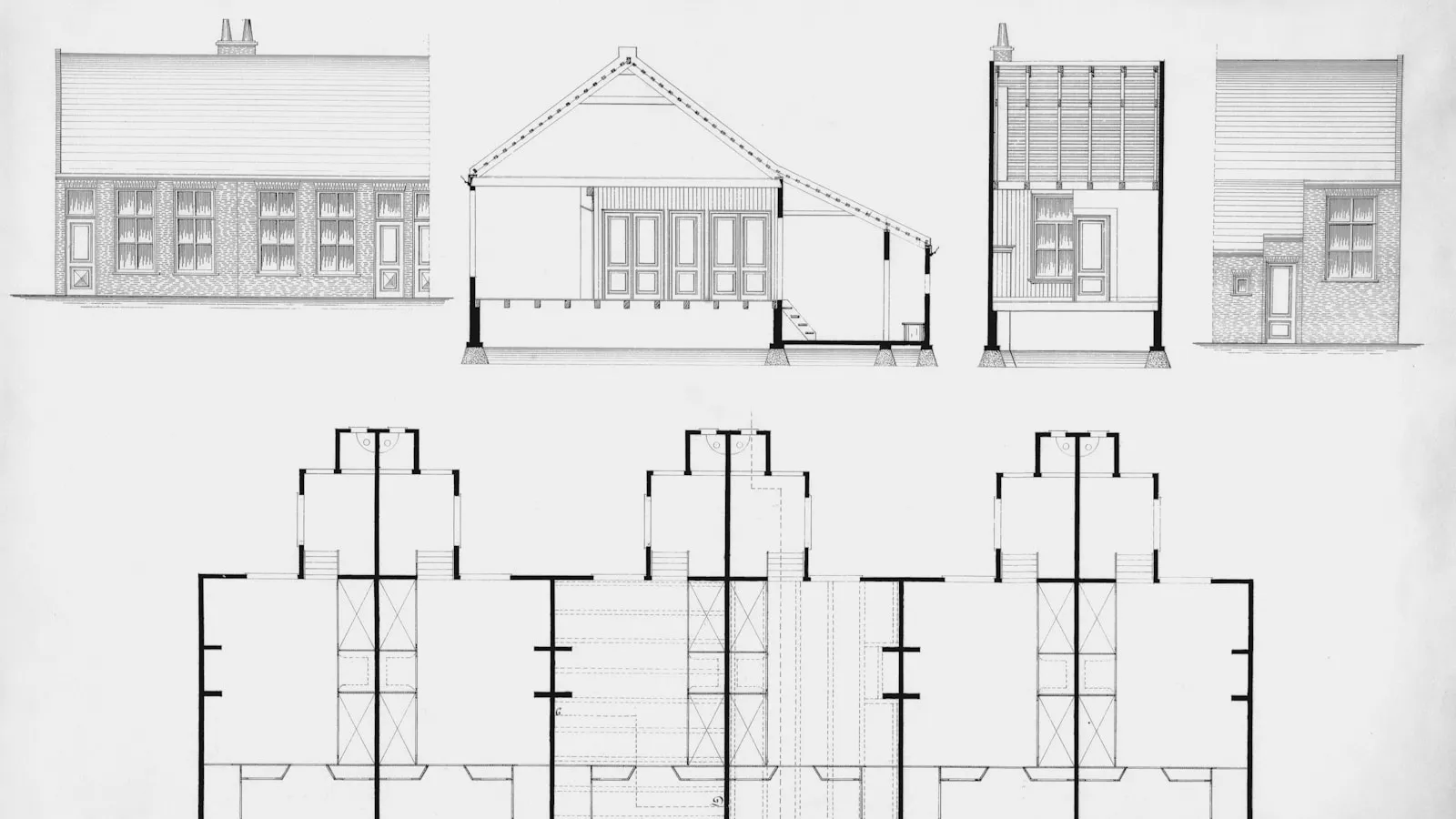
- The approved drawings and conditions of consent. Heritage conditions often specify materials, methods and what must be kept.
A good heritage builder reads these before quoting and prices the materials and methods they call for. Ask the builder to point out, in your own documents, the items that drive cost. If they can't, they haven't read them.
DA, CDC and minor works
Heritage work almost always goes through a development application. A complying development certificate (CDC) can't be used on a heritage item and is limited in conservation areas. For genuinely minor work or maintenance on a heritage item, the heritage clause of the LEP lets council confirm in writing that consent isn't needed — ask council first rather than assuming.
If the scope changes mid-build, the consent may need a modification (a s.4.55 application). Ask the builder how they handle one without stopping work on site.
Materials and trades: where heritage jobs are won or lost
Original fabric needs matching techniques. Lime mortar, not cement, on old brick and stone — cement traps moisture and damages the masonry around it. Timber sash windows repaired and rebalanced rather than swapped for look-alikes. Slate and terracotta roofs relaid with compatible material. Original joinery restored by people who understand the profiles.
- Ask which of these trades the builder employs directly and which they subcontract, and to whom.
- Ask for an example of fabric they repaired rather than replaced, and how they decided.
Record before you remove
Council or the heritage consultant may later ask what was there before. A photographic record of existing fabric — room by room, window by window — made before anything is removed protects you. Ask the builder how they record existing fabric and who keeps the record.
Ask about hazardous materials too. Many older Sydney homes contain asbestos and lead paint, which need licensed assessment and removal before the original fabric is disturbed.
Licences, insurance and the contract
Check the builder's NSW licence on the Fair Trading public register, and get the Home Building Compensation Fund (HBCF) certificate before paying a deposit or starting residential work over $20,000. Ask how heritage-specific items — specialist trades, long-lead materials, conservation methods — are allowed for in the contract, and whether any of them are provisional sums. Our note on provisional sums and PC items explains why that matters.
Questions worth asking
- Which heritage projects have you completed, and can I see them and speak to the owners?
- Have you worked with my council's heritage advisor before?
- Who on site makes the call when something unexpected turns up behind a wall?
- How do you program around specialist trades with long lead times?
- What will you keep, repair and replace — and is that written into the scope?
Examples from our own work
Our heritage page sets out how we approach conservation work, from lime mortar to sympathetic additions. On a Rozelle weatherboard cottage, every original internal timber lining was kept while a new rear extension was tied into old, off-plumb walls. In Kirribilli, a heritage terrace was taken over and reinvented, with a basement dug beneath it while new floors went up above.
If you're working on a heritage home in Sydney, we're happy to read your heritage documents and give you a straight view of what they mean for the build.