Building a new house in NSW took an average of 2.99 quarters in 2025-26, about nine months, from the day work started to the day it finished. That's the ABS figure for construction only. Design and approval come first, and add months on top.
An average also hides a lot. It includes every new house in the state, project homes on flat blocks as well as custom homes on hard sites.
What does the ABS number actually tell me?
It measures commencement to completion for new houses. The NSW averages from the same ABS table:
- 2018-19: 2.37 quarters, roughly seven months.
- 2023-24: 3.39 quarters, roughly ten months. That was the peak, in the years after COVID.
- 2025-26: 2.99 quarters, roughly nine months.
So build times have come back down, but not to where they were before 2020. Use the number as a floor for a straightforward house, not a promise for yours.
What are the stages before construction starts?
There are three, and only the last one is building.
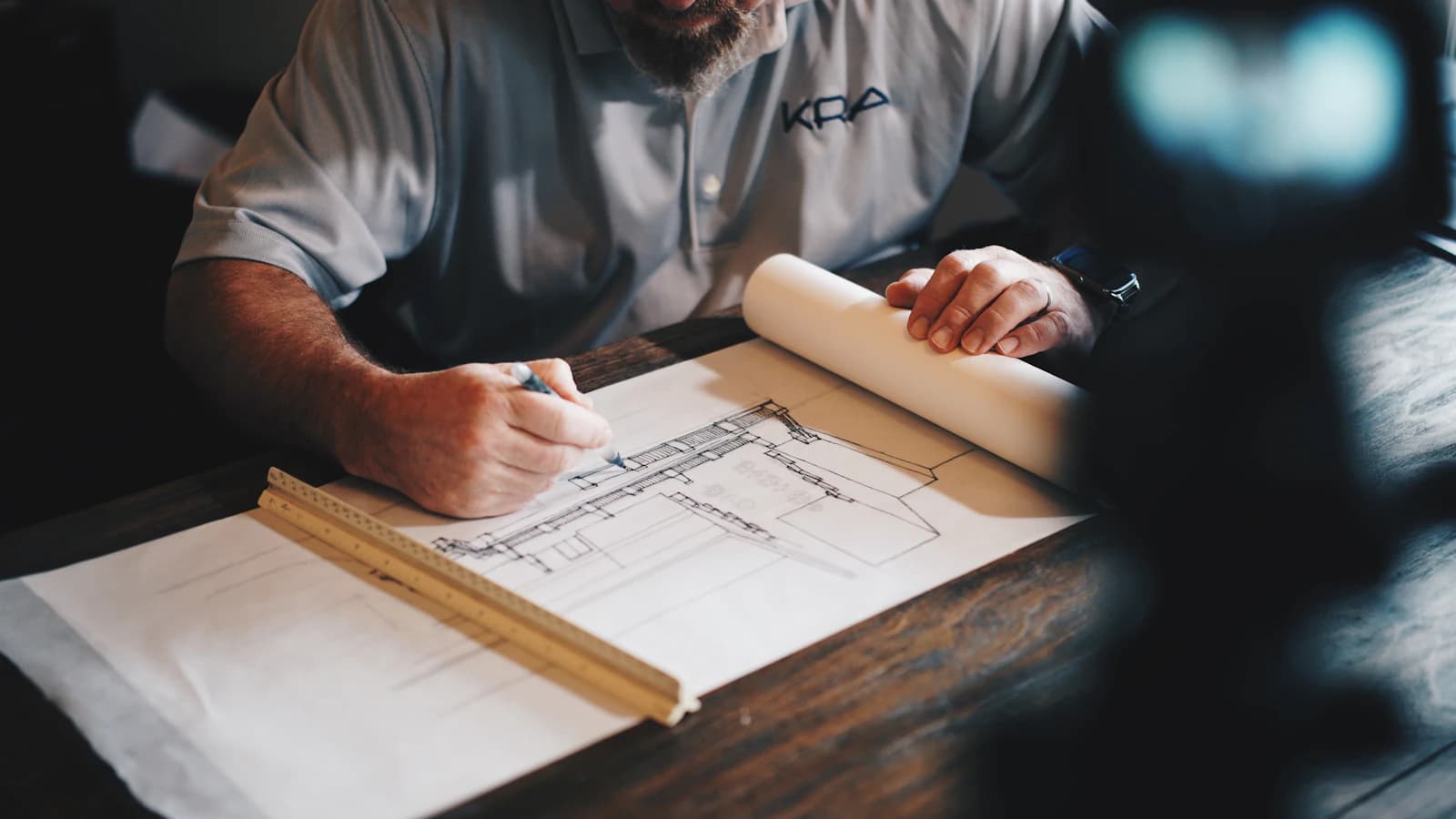
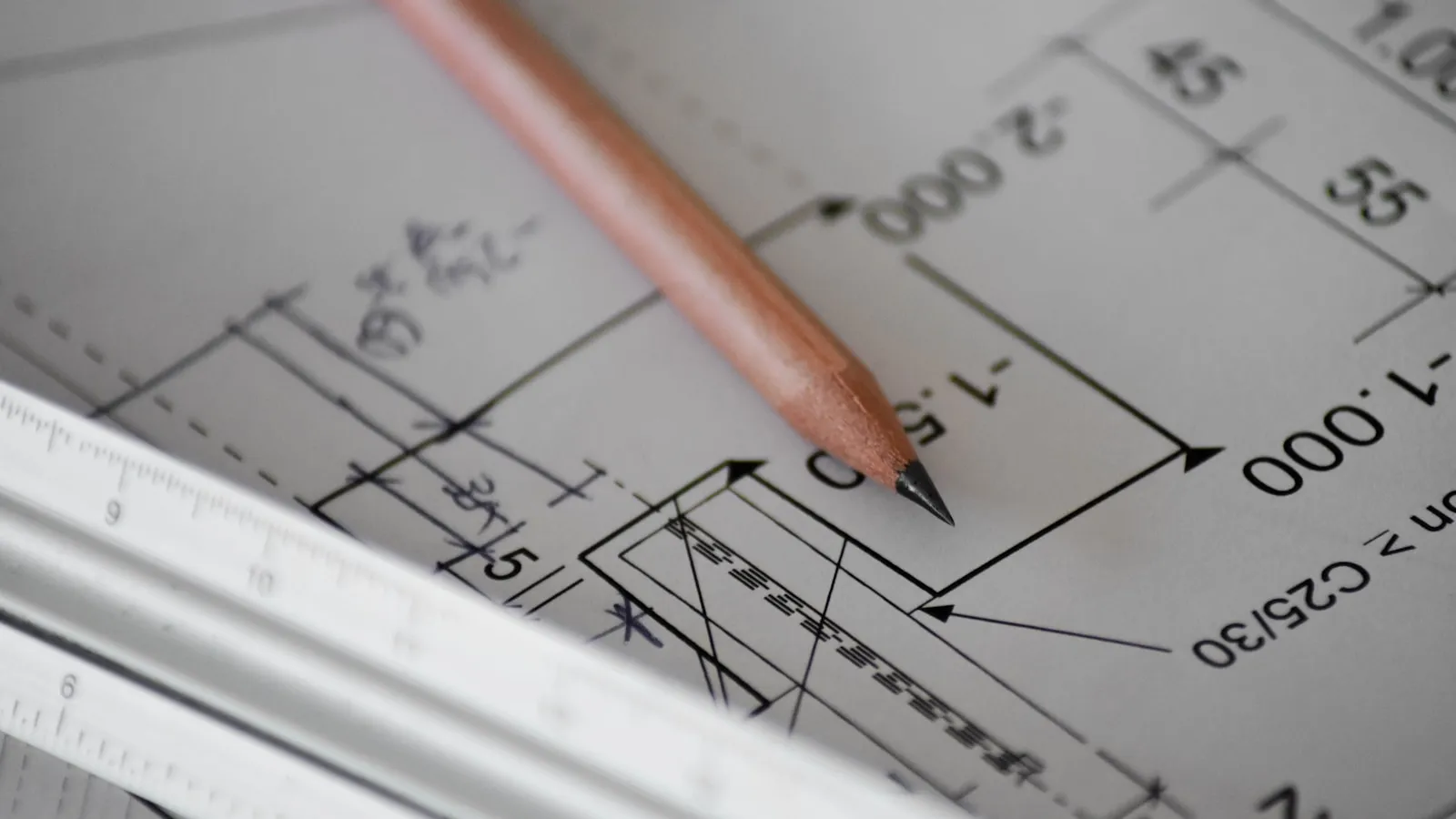
- Design. Brief, sketches, then the drawings and consultant reports a council or certifier needs. How long this takes depends mostly on how quickly you make decisions.
- Approval. Either a development application (DA) to council, followed by a construction certificate, or a complying development certificate (CDC) if your site and design meet every standard in the State codes. The NSW Government says a CDC can be issued in as little as 20 days, against an average of 70 days to determine a DA. But a CDC can't be used on a heritage item and is restricted on many constrained sites.
- Construction. The part the ABS measures.
A DA that bounces at lodgement costs you weeks before anyone has looked at the design. If you're heading down that path, read what drawings you need for a DA first.
What slows a build down?
Most delays aren't a mystery. They're the same handful every time:
- Approvals and conditions. Conditions that have to be satisfied before work starts, or a modification because something changed after approval.
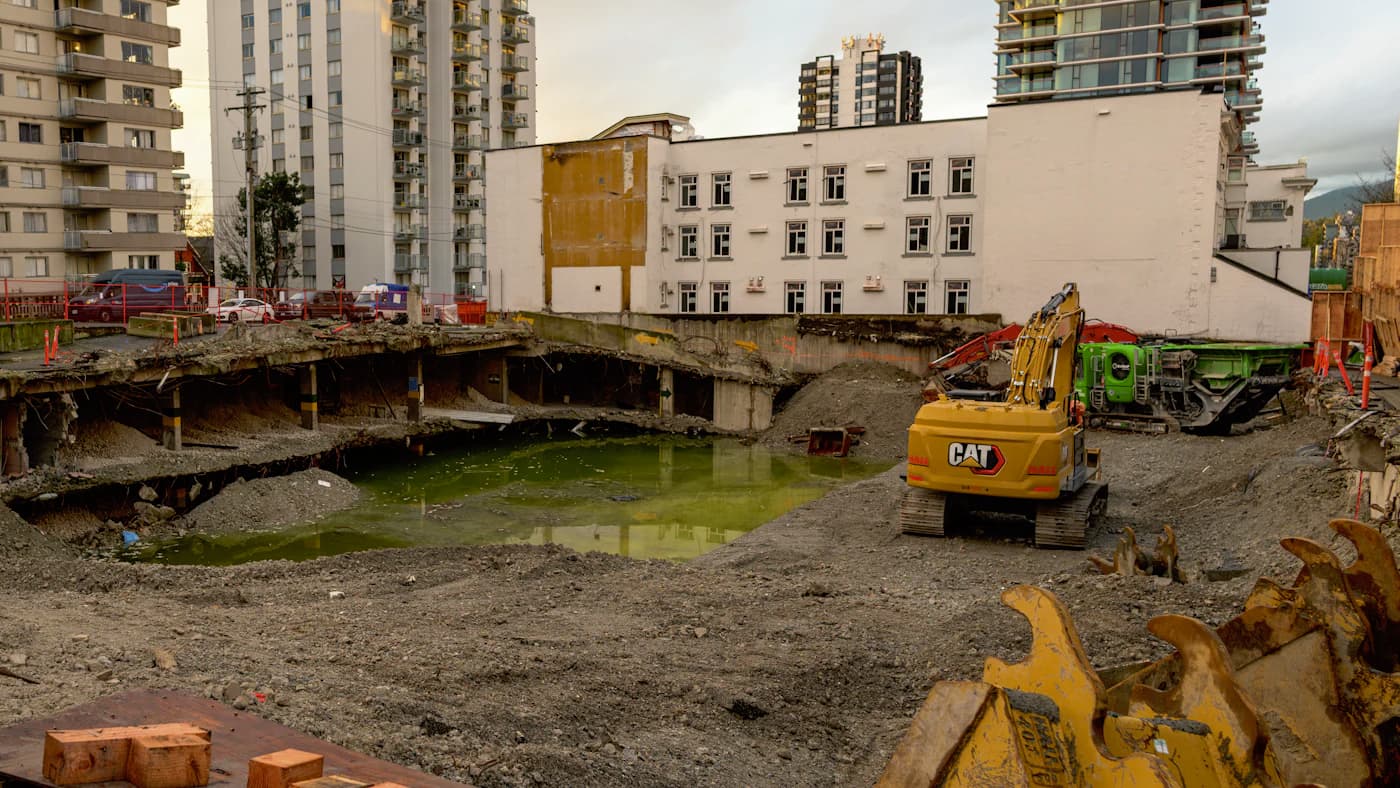
- Rock. You don't know what's under a Sydney site until you dig. Rock means bigger machines, more time and more noise management.
- Weather. Wet weather stops excavation, slabs and anything outdoors. A good program allows for it. A tight one pretends it won't rain.
- Variations. Every change mid-build means re-pricing, re-ordering and sometimes re-approval.
- Late selections. Tiles, tapware and joinery not chosen on time hold up the trades waiting to install them.
- Trade availability. A good tiler or plasterer is booked well ahead. Miss your slot and you wait for the next one.
Some of these you control. Make your selections early and keep changes to a minimum, and you've removed two of the six.
How do I know if a builder will finish on time?
Ask for a recent Gantt chart, the program from a job they've just finished or are running now. It shows how a builder actually plans time, and it's the most useful document you'll see before you sign.
Some builders run a straight line, critical path only. One trade waits for the last to finish, with durations stretched to leave room: this week the waterproofer, next week the tilers. Every small delay pushes the whole job out.
Others run trades in parallel, different crews in different rooms at once. The waterproofer is in the ensuite while the tilers are in the laundry. Same quality, much shorter build.
Compare the planned finish date on that chart with when the job actually finished. If they're far apart, ask why.
Is a faster build always better?
No. Some things can't be rushed: concrete curing, excavation and underpinning at the engineer's pace, and inspections that have to happen before work is covered up. A builder who promises to beat those is either cutting corners or telling you what you want to hear.
What you want is a program that's realistic about the things that can't move and smart about the things that can. Fewer gaps between trades, not shortcuts.
The program is only one part of picking the right builder. The other checks are in how to choose a builder in Sydney.
The short version
- New houses in NSW averaged about nine months to build in 2025-26 (ABS), construction only.
- Design and approval come before that.
- A CDC can be issued in as little as 20 days, against a 70-day DA average, but not every site qualifies.
- Rock, weather, variations, late selections and trade availability cause most delays.
- Make selections early and limit changes. That part is in your hands.
- Ask for a recent Gantt chart and check whether trades run in a line or in parallel.
Planning a build in Sydney? Tell us about it and we'll give you a straight read on how long it should take.